
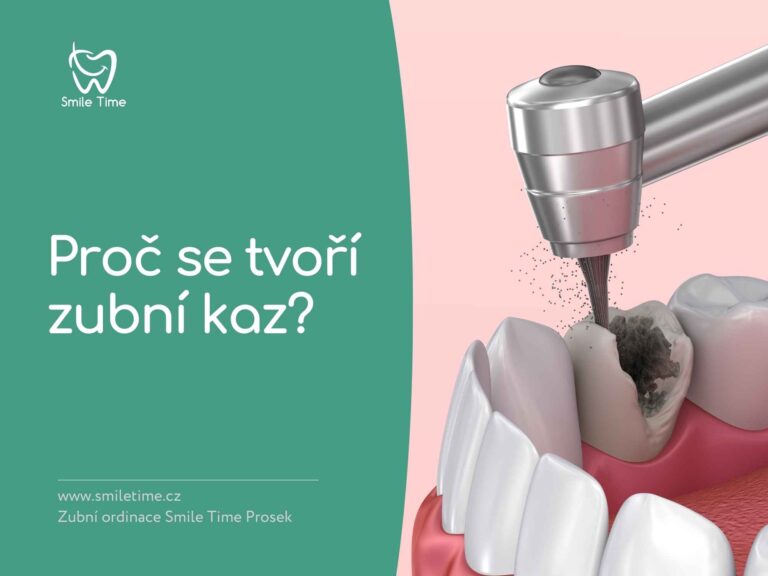
What is a Tooth Cavity?
A tooth cavity is one of the most common oral health problems affecting children, adults, and seniors. It is the gradual damage of tooth tissue that occurs when oral bacteria produce acids that erode the hard tooth enamel. If a cavity is not detected and treated in time, it can penetrate deeper layers of the tooth, cause pain, and lead to serious complications such as inflammation or tooth loss.
How does a tooth cavity form?
The process of cavity formation begins with the accumulation of plaque – a sticky layer made of food debris, bacteria, and saliva that settles on the tooth surface. When we consume foods and drinks containing sugars, the bacteria in the plaque metabolize them and create acids. These acids gradually erode the tooth enamel and create tiny holes that continue to enlarge if the cavity is not treated in time.
Common locations for tooth cavities
A tooth cavity usually forms in hard-to-reach places where plaque settles more easily and is harder to remove, such as:
– In interdental spaces.
– In the grooves and pits on the chewing surfaces of molars.
– Around the gums or under dental crowns and bridges.
– In interdental spaces.
– In the grooves and pits on the chewing surfaces of molars.
– Around the gums or under dental crowns and bridges.
Causes of tooth cavities
A tooth cavity does not occur by chance – it is the result of a combination of several factors that affect the health of your teeth and oral cavity. Understanding the main causes of decay is key to its prevention and the protection of your smile.
1. Bacteria in the mouth
Your mouth is home to thousands of bacteria. Some of them, such as Streptococcus mutans, play a major role in the formation of tooth decay. These bacteria feed on sugars from food and produce acids that erode the tooth enamel. If they are not regularly removed during brushing, plaque forms – a sticky layer of bacteria and food debris that promotes decay.
2. Diet rich in sugars and acids
Consuming sweets, sugary drinks, and acidic foods is one of the main causes of decay. Sugars serve as fuel for bacteria, while acids directly weaken the tooth enamel. Frequent “snacking” during the day also prolongs the time your teeth are exposed to harmful acids.
3. Inadequate oral hygiene
Poor or irregular brushing allows bacteria to accumulate and create acids that erode the tooth enamel. Interdental spaces, where cavities often form, are particularly vulnerable if dental floss or an interdental brush is not used.
4. Fluoride deficiency
Fluoride is a mineral that strengthens the tooth enamel and helps prevent the formation of cavities. Inadequate fluoride intake, whether from water, toothpaste, or professional applications at the dentist, makes teeth more susceptible to acid damage.
5. Dryness in the mouth (xerostomia)
Saliva plays an important role in protecting teeth. It neutralizes acids, removes food debris, and provides important minerals for enamel restoration. If you suffer from dry mouth, for example, due to medication or dehydration, the risk of tooth decay increases.
What are the symptoms of a tooth cavity?
A tooth cavity often develops gradually, and its first symptoms can be subtle. But if you know what to look out for, you can detect the problem in time and prevent more serious complications. Here are the main symptoms you should be alert to:
1. White or dark spots on teeth
The early stage of tooth decay often manifests as white spots on the enamel, which are caused by the loss of minerals. If the decay is not treated, the color can change to brown or black, indicating deeper damage.
2. Sensitivity to hot, cold, or sweet
Increased tooth sensitivity to hot or cold drinks, sweets, or acidic foods is a common symptom of decay. This unpleasant sensation can mean that the decay has reached the layer of the tooth under the enamel, known as dentin.
3. Toothache
Pain or an unpleasant throbbing may indicate that the decay has penetrated deep into the tooth and hit the nerves. At this stage, it is important to seek a dentist immediately to prevent more serious complications.
4. Visible damage to the tooth
Advanced tooth decay can manifest as a hole or crack on the surface of the tooth. If you notice similar changes when looking in the mirror, it’s a clear signal that action needs to be taken.
5. Bad breath
The accumulation of bacteria caused by decay can lead to unpleasant breath that cannot be removed by regular tooth brushing. This odor is the result of the decomposition of organic substances in the oral cavity.
Prevention of tooth decay
Tooth decay is a common problem, but the good news is that its occurrence can be almost entirely prevented. Just follow a few simple rules that help protect your teeth from decay and keep your smile healthy and beautiful.
1. Proper oral hygiene
Consistent care of the oral cavity is the basis of prevention:
– Brush your teeth twice a day with fluoride toothpaste. Use a soft brush and focus on all tooth surfaces.
– Use interdental brushes or dental floss to remove food debris and plaque from hard-to-reach places between teeth.
– Don’t forget the tongue! Bacteria accumulate on the surface of the tongue as well, which can contribute to bad breath and the risk of tooth decay.
– Brush your teeth twice a day with fluoride toothpaste. Use a soft brush and focus on all tooth surfaces.
– Use interdental brushes or dental floss to remove food debris and plaque from hard-to-reach places between teeth.
– Don’t forget the tongue! Bacteria accumulate on the surface of the tongue as well, which can contribute to bad breath and the risk of tooth decay.
2. Regular dentist visits
Preventive check-ups play a key role in detecting problems before they become serious. During the check-up, the dentist will remove tartar, check the condition of your teeth, and advise you on how to improve oral care. At Smile Time, we recommend visiting the dentist at least twice a year.
3. Balanced diet
A healthy diet has a great influence on the health of teeth:
– Limit sweet and acidic foods, such as candies, sugary drinks, and fruit juices, which promote bacterial growth and weaken enamel.
– Consume foods rich in calcium, such as dairy products, almonds, or broccoli, which help strengthen tooth enamel.
Drink plenty of water – preferably containing fluoride – which helps neutralize acids in the mouth.
– Limit sweet and acidic foods, such as candies, sugary drinks, and fruit juices, which promote bacterial growth and weaken enamel.
– Consume foods rich in calcium, such as dairy products, almonds, or broccoli, which help strengthen tooth enamel.
Drink plenty of water – preferably containing fluoride – which helps neutralize acids in the mouth.
4. Use of fluoride
Fluoride is a natural mineral that strengthens enamel and increases its resistance to acids. Use fluoride toothpaste, mouthwashes, and, if necessary, consider a professional fluoride application at the dentist.
5. Avoid frequent “snacking”
Frequent snacking during the day means that your teeth are exposed to acids for a long time. If you feel hungry between meals, choose healthy options such as nuts, cheeses, or vegetables.
How Smile Time helps in the prevention and treatment of tooth decay
At Smile Time in Prague, we know that prevention is the key to a healthy smile and trouble-free teeth. Our office offers comprehensive care, which includes both prevention and effective treatment of tooth decay. With our modern approach, you don’t have to worry about unpleasantness – we will take care of your teeth with maximum care and gentleness.
1. Preventive care in the first place
Our main focus is on prevention, which helps you prevent the occurrence of tooth decay:
– Regular preventive check-ups: During each visit, we carefully check the condition of your teeth and gums to detect potential problems at an early stage.
– Professional tooth cleaning: Dental hygiene will help remove tartar, plaque, and pigmentations.
– Fluoride applications: We strengthen tooth enamel with fluoride, which increases the resistance of teeth to acids and bacteria.
– Regular preventive check-ups: During each visit, we carefully check the condition of your teeth and gums to detect potential problems at an early stage.
– Professional tooth cleaning: Dental hygiene will help remove tartar, plaque, and pigmentations.
– Fluoride applications: We strengthen tooth enamel with fluoride, which increases the resistance of teeth to acids and bacteria.
2. Modern technology for early diagnosis
We use advanced diagnostic methods that allow us to detect a tooth cavity even before it causes visible damage or pain:
– Digital X-rays: Safe and accurate images that allow us to detect hidden cavities or other problems under the tooth surface.
– Intraoral cameras: Detailed images that show you exactly what is happening in your oral cavity.
– Digital X-rays: Safe and accurate images that allow us to detect hidden cavities or other problems under the tooth surface.
– Intraoral cameras: Detailed images that show you exactly what is happening in your oral cavity.
3. Gentle and effective treatment
If a tooth cavity has already formed, we offer modern and painless solutions:
– Composite fillings: Aesthetic white composite filling that perfectly matches the color of your teeth.
– Root canal treatment: If decay hits the deeper layers of the tooth, we provide gentle root canal treatment that will preserve your tooth.
– Composite fillings: Aesthetic white composite filling that perfectly matches the color of your teeth.
– Root canal treatment: If decay hits the deeper layers of the tooth, we provide gentle root canal treatment that will preserve your tooth.
4. Patient education and support
At Smile Time, we emphasize the information of our patients:
– We advise you on how to properly care for teeth at home, including cleaning techniques and selecting suitable tools.
– We help you understand the causes of decay so you can change your habits and prevent its recurrence.
– We advise you on how to properly care for teeth at home, including cleaning techniques and selecting suitable tools.
– We help you understand the causes of decay so you can change your habits and prevent its recurrence.
Tooth decay is one of the most common problems of the oral cavity, but at the same time, it is a condition that can be almost completely prevented by proper care, healthy habits, and regular dentist visits. Caring for your teeth is an investment not only in a beautiful smile but also in overall health.
At Smile Time in Prague, we believe that prevention is the foundation, and therefore we offer comprehensive services that help you prevent problems and solve existing ones. With modern technologies, a professional approach, and a friendly atmosphere, we will ensure that your teeth are healthy and strong.
At Smile Time in Prague, we believe that prevention is the foundation, and therefore we offer comprehensive services that help you prevent problems and solve existing ones. With modern technologies, a professional approach, and a friendly atmosphere, we will ensure that your teeth are healthy and strong.
We are contracted with the VZP insurance company. Give us a call, and we will be happy to assist you. We can provide an estimated price, available dates, and answer any questions you may have.